
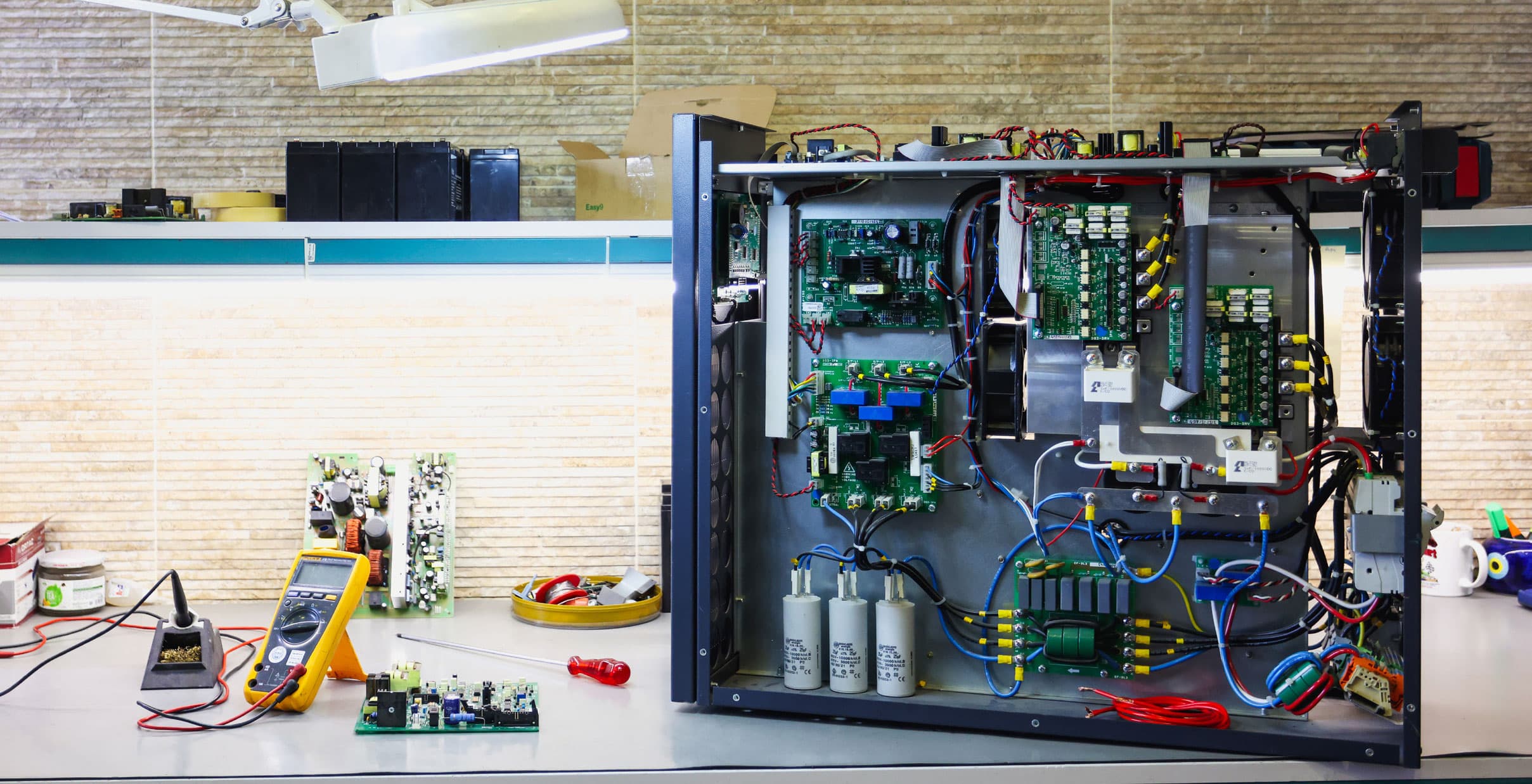
Manage System Life Proactively.
The Importance of Consumable Parts in UPS Systems
The critical role of consumables that lose performance over time in Uninterruptible Power Supply (UPS) units, their periodic replacement processes and maintenance standards are detailed below. A sample annual maintenance schedule for proactive protection is also provided.
Consumable parts are vital components that, due to their physical and chemical nature, lose their function over time and must be replaced at specific intervals. Failure to replace these parts on time eliminates the system's ability to protect and can lead to irreversible damage and outages at your facility.
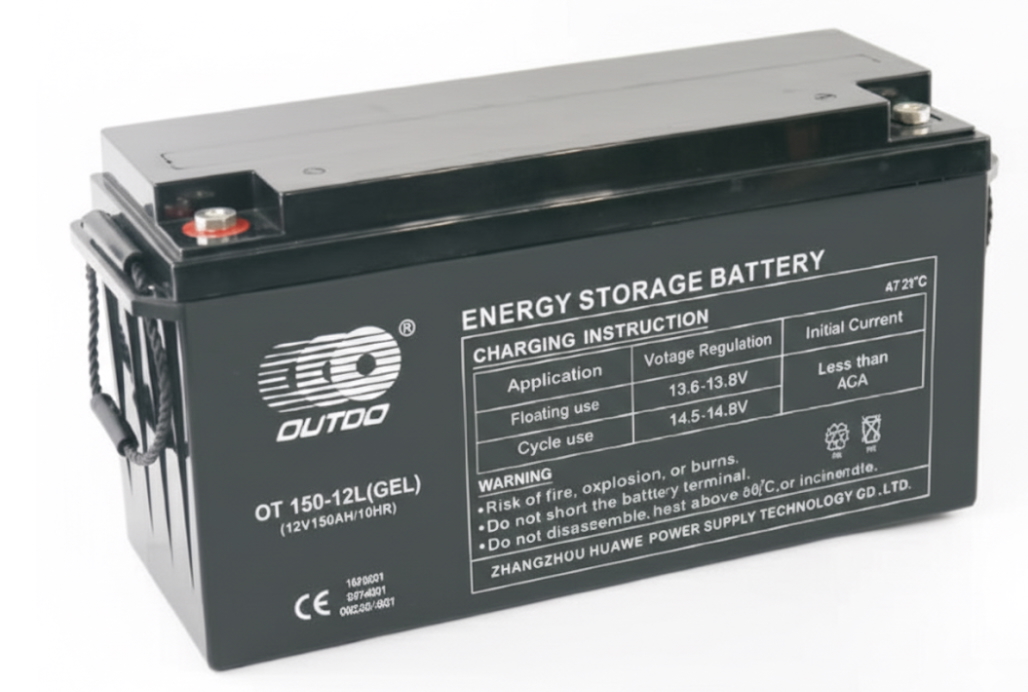
1. Batteries and Battery Banks
Lifespan: 3-5 years for VRLA (lead-acid) types; up to 7-10 years for special industrial series.
Why Replace?
- Due to their chemical nature, capacity degrades over time.
- Internal resistance rises, so the battery cannot carry the load the moment power fails and the system goes down.
- Creates risks such as overheating, case swelling or acid leakage.
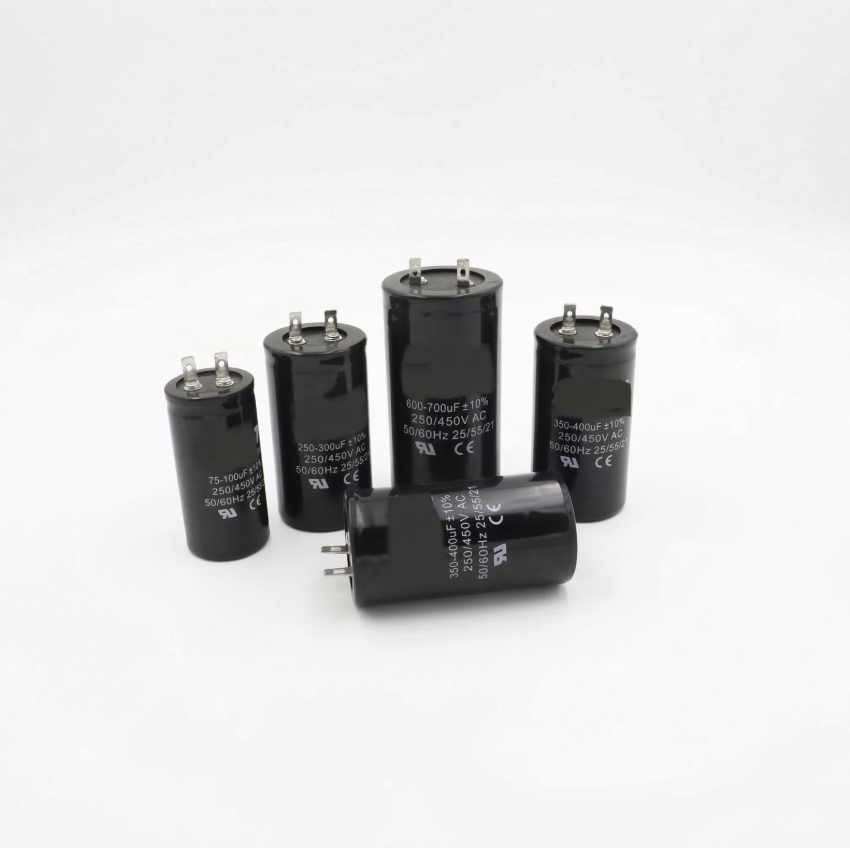
2. DC and AC Capacitors
Lifespan: 5-7 years, depending on quality, operating temperature and voltage stress.
Why Replace?
- As capacitance values drop, their ability to regulate the DC bus voltage is lost.
- They become unable to suppress harmonic distortion on the mains or the load, causing inefficiency.
- If neglected, swelling, leakage and explosions that damage surrounding boards can occur.
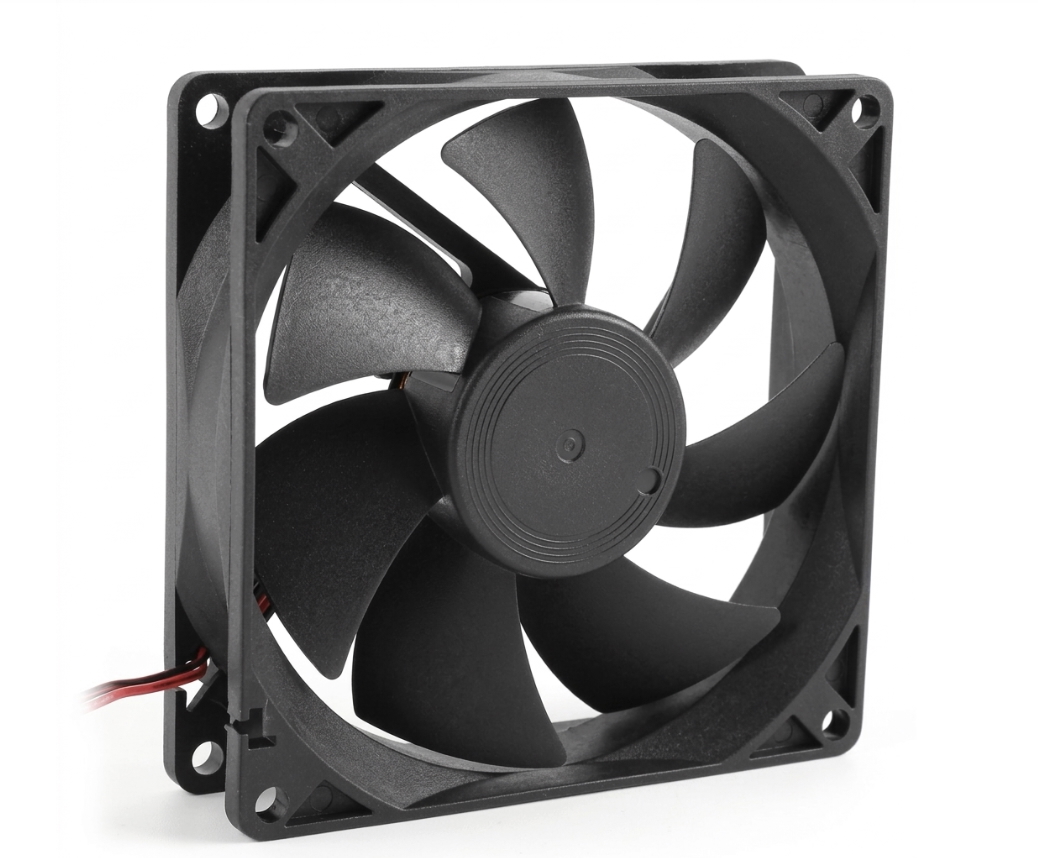
3. Fans (Cooling Systems)
Lifespan: 3-5 years for systems running continuously (24/7).
Why Replace?
- Rotational performance drops due to dust buildup, wear and bearing deterioration.
- Inadequate cooling causes critical electronic components inside the UPS to overheat and fail.
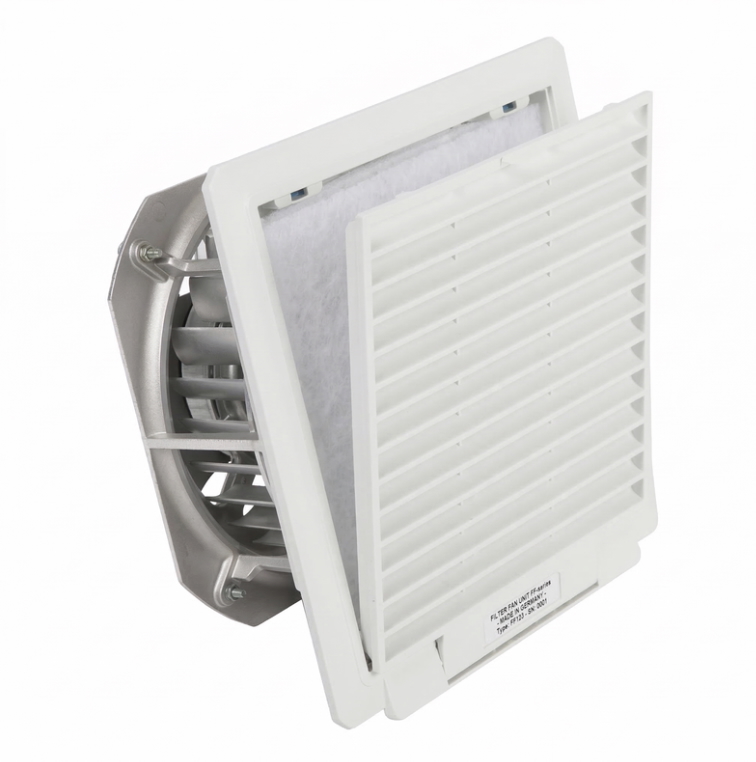
4. Air / Fan Filters (IP54)
Lifespan: 6 months – 1 year, depending on the pollution and dust level of the environment.
Why Replace?
- Filters that fill with dust and clog block the flow of fresh air.
- This blockage drastically reduces the system's cooling efficiency and puts the unit under thermal stress.
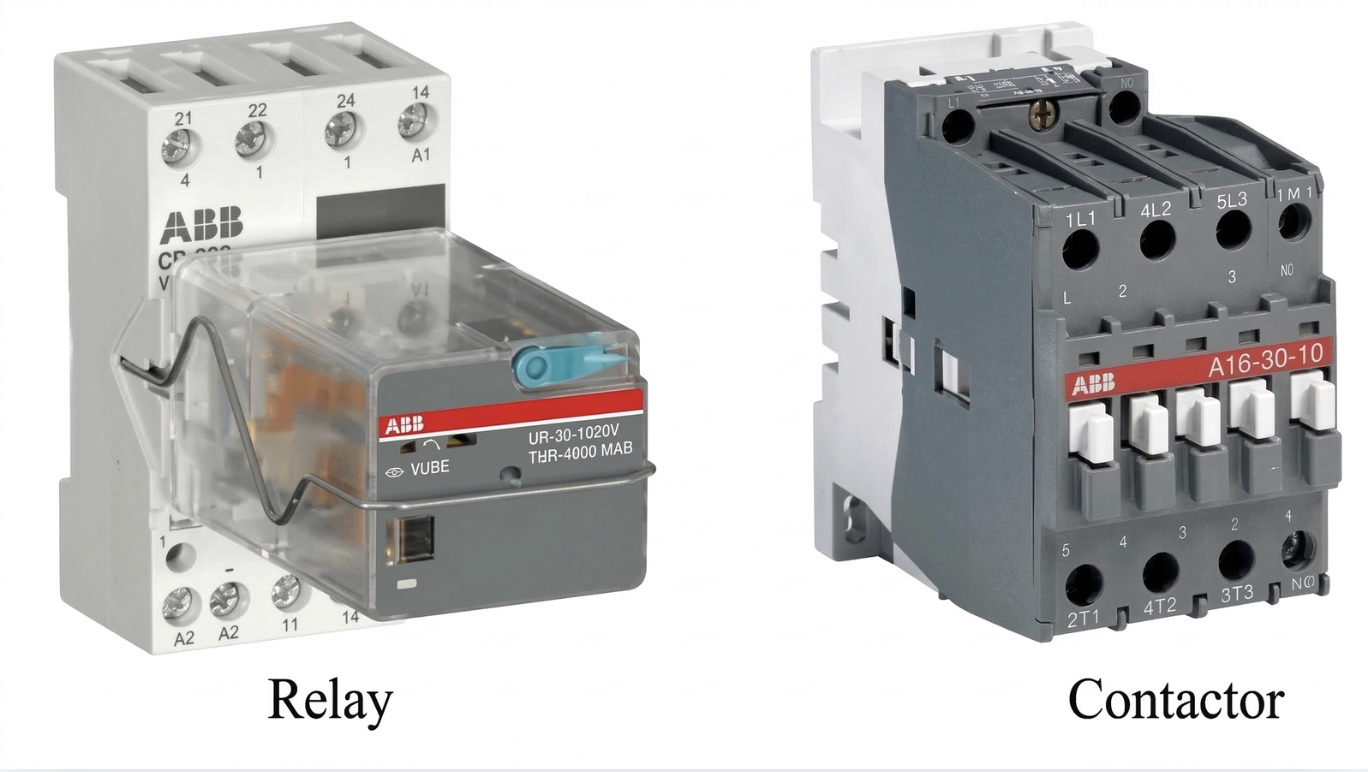
5. Relays and Contactors
Lifespan: 5-10 years, depending on operating and switching intensity.
Why Replace?
- Being mechanical, they wear physically with every transfer operation.
- Sparks (arcing) during opening and closing erode the contact surfaces, causing contact faults.
- The magnetic coil can fail, making transfers impossible.
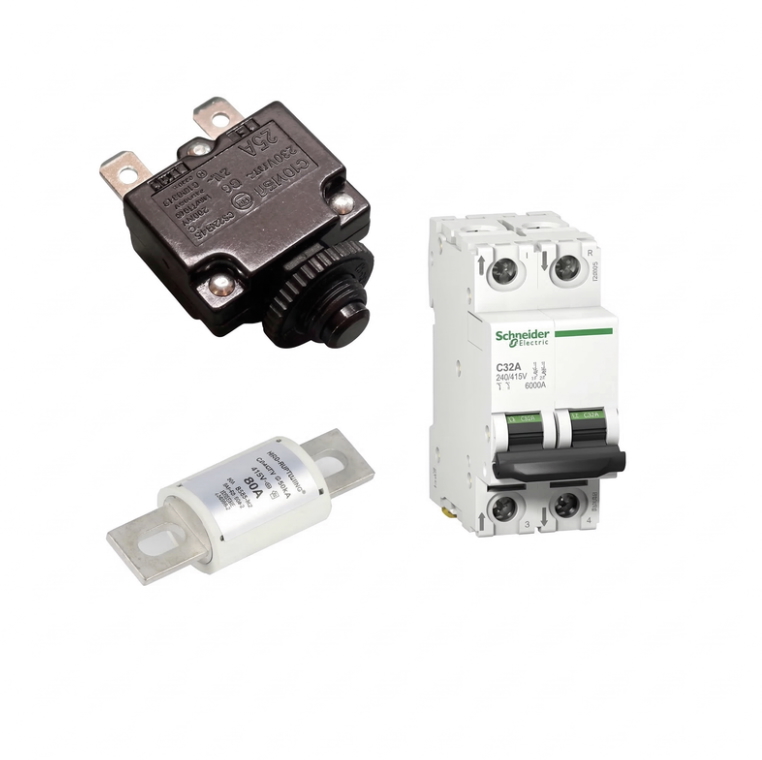
6. Fuses / Circuit Breakers
Lifespan: Depends on fault occurrence; requires periodic inspection even if the service life has not expired.
Why Replace?
- They can sustain hidden damage after severe short circuits and overloads on the mains.
- Oxidation can form on the connection contact surfaces over time.
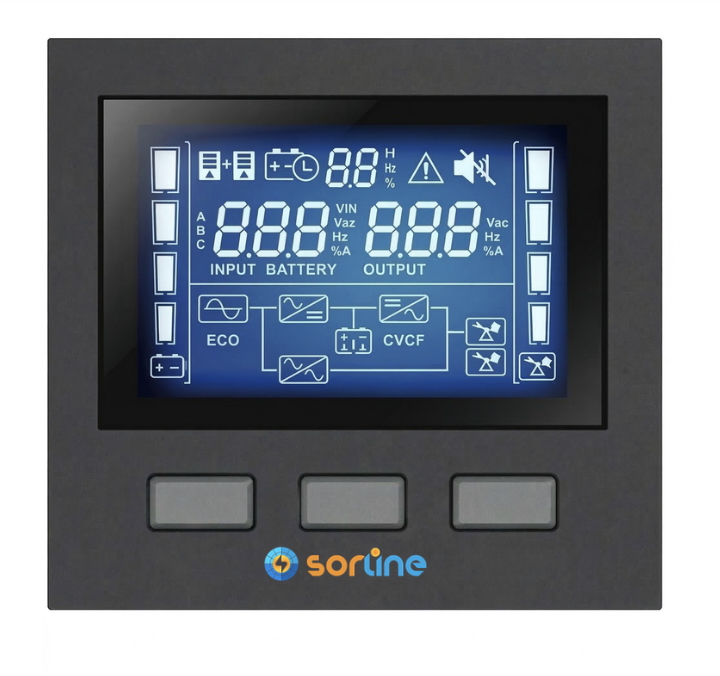
7. LCD / Display Panels and Buttons
Lifespan: 5 – 10 years.
Why Replace?
- Loss of display, pixels or backlight makes it difficult to read the unit's status.
- Button problems delay intervention on the unit in emergencies.
General Recommendations for Replacing Consumable Parts in UPS Systems:
- In redundant (parallel) systems, facility outages can be completely avoided by replacing parts in a planned sequence.
- Maintenance reports, interventions performed and test records should be archived systematically.
- A detailed thermal analysis should be carried out with a thermal camera at least once a year.
- All major maintenance and replacements must be carried out by authorized service teams only.
Maintenance and Replacement Schedule
A proactive maintenance and consumable part replacement schedule for a medium-sized online UPS system (e.g. 10-40 kVA) is listed below. This schedule is based on standard conditions; intervals may be shorter in very hot, dusty or humid environments.
Monthly Maintenance
- The UPS LCD screen, alarms, LED indicators and control panels are checked for proper function.
- Mains input and UPS output voltages and frequency values are measured.
- Battery room temperature and battery voltages are observed (verified via software if remote monitoring is available).
- Physical conditions in the unit's operating environment (temperature, humidity, ventilation) are inspected.
Quarterly Maintenance
- Air/fan (IP54) filters, if fitted, are checked and cleaned or replaced as needed.
- Cooling fans are listened to for vibration or abnormal noise.
- General external cleaning is performed to remove surface dust buildup in air intake channels.
Semi-Annual Maintenance
- Torque tightness of all power connection screws and terminal blocks is checked.
- Battery cells are measured individually and deviations in voltage and internal resistance are recorded.
- A thermal scan of critical components (fans, connectors, cable connections) is performed with a thermal camera.
- Past events and hidden alarms are reviewed in the unit's own software (log).
Annual Major Maintenance (Every Year)
- Unit covers are opened and internal dust and dirt are cleaned with compressed air/vacuum.
- The unit is placed on a load bank (or live load) and a real battery capacity test is performed.
- Capacitance values of DC capacitors are measured with an LCR meter.
- Cooling fans are removed and thoroughly cleaned; those that have reached their limit are replaced.
- Relays, contactors and AC fuses are inspected electrically and visually.
- If the manufacturer has released a newer firmware revision, it is installed.
Critical Overhaul Every 5 Years
- DC capacitor banks should be replaced as standard (even if measurement results are within the reference range).
- Cooling fans must be replaced without exception, as their mechanical bearing life has ended.
- AC input and output capacitors are replaced if deemed necessary.
- A complete replacement of VRLA battery banks is planned, as they have reached the end of their life.
- System capacity is reviewed; if the facility load has increased over the 5-year period, power upgrade options are evaluated.
Every 7–10 Years (General Renewal)
- If long-life (10-year) industrial batteries are used, a complete battery bank replacement is mandatory at this interval.
- Relays, contactors and circuit breakers are replaced, resetting mechanical fatigue.
- Taking system efficiency and return on investment into account, a transition to a brand-new generation unit can be planned.
Additional Recommendations:
- All reports, test results and images produced during maintenance should be carefully archived.
- If the system has an SNMP card or a remote monitoring module, it should always be kept active.
- If the UPS system operates in parallel (redundant) mode, balanced load sharing between units should be specifically tested at every maintenance.